
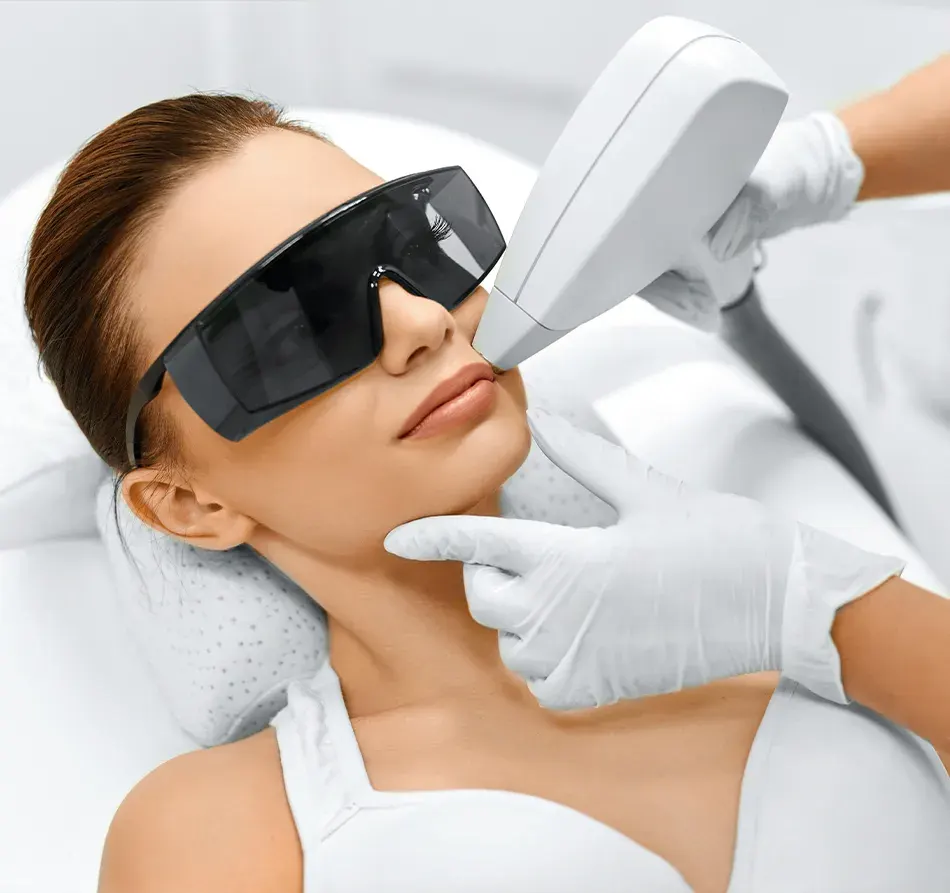
Hair reduction is a laser-based treatment used to gradually reduce unwanted facial or body hair. It is a good option for patients who are tired of repeated waxing, threading, shaving, ingrown hair, or razor-related darkening and irritation.
The doctor checks the treatment area, skin tone, hair thickness, and any sensitivity history first. A patch test may be done where needed, and sessions are then planned according to the hair growth cycle.
- Repeated waxing and shaving
- Facial or body hair concerns
- Ingrown hair and bumps
- Darkening caused by friction or shaving
- Long-term maintenance relief
- Convenient grooming support
Common concerns it addresses
Laser hair reduction is usually chosen by patients who want more convenience, less irritation, and a gradual decrease in hair growth over a planned number of sessions.

overview
Usually advised for unwanted hair, frequent ingrowns, shaving rash, and repeated salon dependency.

procedure details
The area is prepared first, then laser shots are delivered in a controlled way according to the hair and skin profile.

benefits
Hair growth can become slower, finer, and lighter over sessions, making regular maintenance much easier.

aftercare
Sun protection, avoiding heat exposure, and not waxing between sessions are usually important aftercare steps.
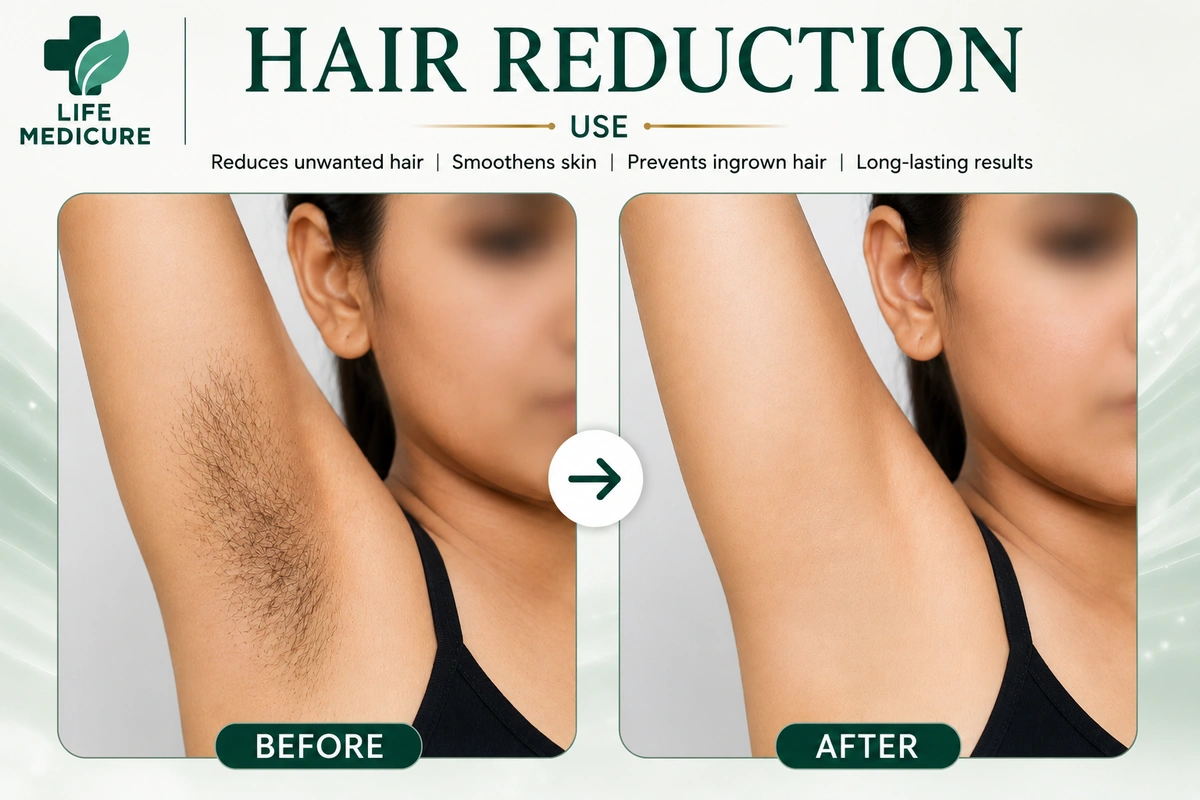
Benefits and aftercare
Session length depends on the area being treated. The treatment works best when done regularly because hair grows in cycles and not all hair responds in one sitting.

20 to 45 min
usual session time

6 to 8
sessions may be advised

24 hrs
of heat and sun care
Frequently asked questions
The goal is significant long-term reduction, finer regrowth, and easier maintenance, not an unrealistic instant finish.
Most patients need a planned course because hair grows in cycles and different areas respond differently.
Yes, shaving is usually allowed, but waxing and threading are avoided because they disturb the hair cycle.
Yes, when machine settings and treatment planning are selected carefully by trained professionals.
Yes, areas like upper lip, chin, side locks, and jawline are commonly discussed during consultation.
 Acne care | Pigmentation treatment | Hydrafacial | Laser hair reduction | Doctor-led skin plans